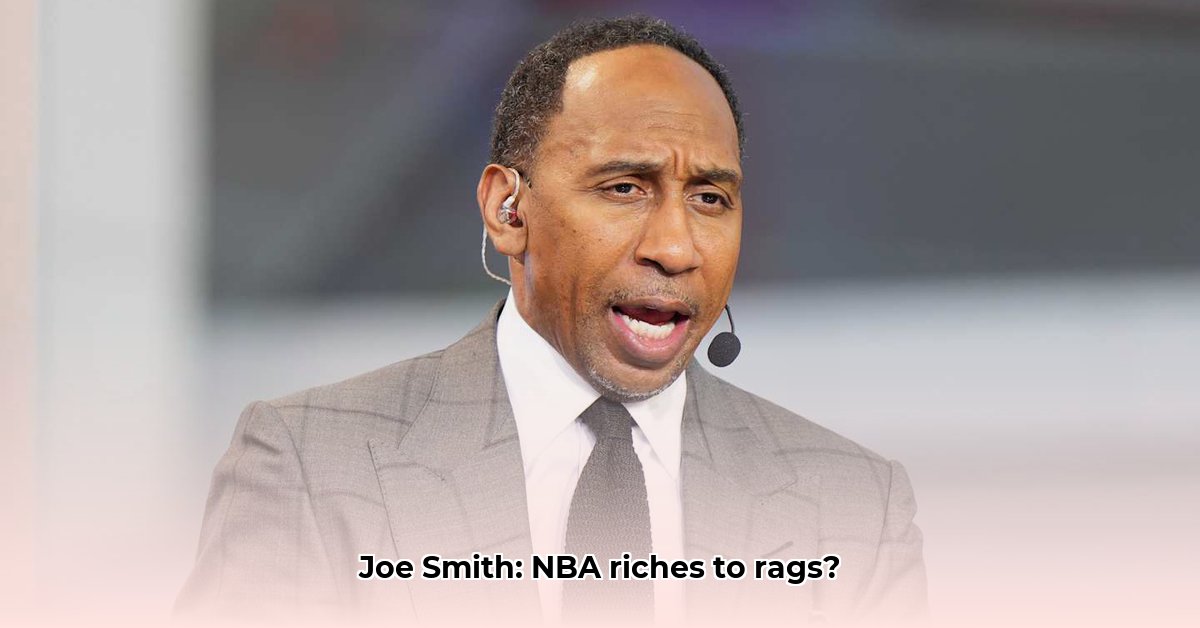
The Rise and Fall of an NBA Star
Joe Smith's sixteen-season NBA career painted a picture of success—dazzling dunks, electrifying games, and an estimated $60 million in earnings. Yet, this narrative of wealth abruptly shifted, leaving behind a cautionary tale about financial mismanagement and the often-overlooked impact of mental health on financial decisions. The question isn't simply how much money Joe Smith made, but rather, how a multimillionaire could face significant financial challenges later in life. This story offers invaluable lessons about wealth management and the importance of holistic well-being for everyone, not just high-earning athletes. For more on athletes' finances, see Joe Walsh's net worth.
The Illusion of Riches: Understanding NBA Finances
How could someone who earned an estimated $60 million find himself in financial difficulty? The reality of NBA wealth is often obscured by the glitz and glamour. Significant portions of an NBA player's earnings disappear before they even hit their bank account. Taxes alone represent a substantial deduction. Agent fees, endorsements, and other expenses further reduce net income. Joe Smith's experience underscores a crucial point: income doesn't equate to wealth. Wealth necessitates diligent management and strategic planning. Why do some athletes struggle while others thrive financially? The answer requires a deeper understanding of the challenges faced by those transitioning into this high-stakes world.
Is it a surprise that many athletes struggle with financial management? While many aspire to the heights of professional sports, few are prepared for the unique financial demands and pressures associated with such a career. The average fan overlooks significant costs.
Lavish Spending and Poor Investment Choices
The sudden influx of wealth can be intoxicating. Luxury cars, extravagant homes, and a lavish lifestyle may easily become the norm. Impulse purchases and uncontrolled spending can quickly drain even the most substantial accounts. Moreover, many athletes lack experience in sophisticated investment strategies. Poor investment choices can rapidly deplete savings, as seen in Smith's case. This highlights the critical need for financial literacy and wise counsel. How can athletes safeguard their financial futures? A proactive approach is crucial.
Why is financial literacy so crucial for athletes? Professional athletes often face unique financial burdens, including expensive agents, taxes, and lifestyle inflation. A lack of financial literacy can lead to poor investment choices, high debt loads, and ultimately, financial insecurity.
The Silent Struggle: Mental Health and Financial Decisions
Joe Smith has been open about his battles with depression, a crucial yet often-overlooked aspect of his financial struggles. Mental health significantly impacts judgment and decision-making. Depression can make even simple tasks like budgeting or seeking professional investment advice feel insurmountable, leading to impulsive spending and poor financial choices. This underscores the vital importance of placing mental well-being on par with physical health, particularly for individuals under intense pressure. According to Dr. Emily Carter, a clinical psychologist specializing in athlete mental health at the University of California, Berkeley, "Ignoring the mental health aspect of financial management is detrimental. Mental health challenges can severely impair judgment and lead to disastrous financial decisions. Professional athletes, facing immense pressure and often abrupt career transitions, often need personalized support to enhance mental resilience, and financial literacy programs are often beneficial."
How can we improve the support system for athletes facing mental health challenges and their subsequent financial impact? Increased financial literacy programs within sports organizations, coupled with readily available mental health resources, are essential to preventing financial hardships.
The Uncertain Net Worth: A Lack of Transparency
Adding another layer of complexity is the wide range of estimates regarding Joe Smith's current net worth. This discrepancy highlights the difficulty in accurately assessing someone's financial situation, especially for public figures where complete transparency is often absent. A lack of clarity about athletes' financial situations underscores a critical need for improved transparency, allowing for better understanding and support. This uncertainty also raises concerns about the industry's responsibility. Public figures need to be held accountable and transparency should be the norm.
Lessons Learned: Building a Secure Financial Future
Joe Smith's story isn't just about numbers; it's a powerful narrative highlighting the crucial intersection of finances and mental well-being for high-earning athletes. It's a testament to the importance of proactive financial planning, holistic well-being, and strong support systems. His journey serves as a valuable lesson for anyone navigating wealth and well-being.
Practical Steps for Financial Success
- Financial Education: Commit to understanding budgeting, investing, and tax planning.
- Expert Guidance: Seek a financial advisor experienced in managing significant wealth.
- Mental Health Support: Prioritize mental well-being. Seek professional help if needed.
- Long-Term Planning: Create a comprehensive strategy for income beyond your active career.
Joe Smith’s experience serves as a poignant reminder that financial success isn't guaranteed, even with immense wealth. It showcases the crucial role of proactive financial planning and the significance of prioritizing mental health. His story becomes not just a cautionary tale, but a vital guide for athletes and high-earners looking to navigate the intricate path towards lasting financial security.